Waste management often feels invisible until it stops working. When dumpsters overflow, debris spreads across a site, or hauling schedules fall out of sync with operations, waste suddenly becomes a daily concern instead of a background task. For industrial sites, construction projects, and large commercial facilities, waste management is not an afterthought. It shapes workflow, affects safety, and influences how smoothly work moves from one phase to the next.
Understanding waste management means looking beyond disposal alone. It requires evaluating how bulk waste is created, how it accumulates, how it is staged in roll-off containers, and how each decision affects the next step. When those pieces are in sync, waste handling fades into the background. When they do not, it becomes a headache.
Waste Management Is Built Over Time
Waste management systems are rarely fixed by a single choice. They develop through a series of decisions that build on one another, starting long before waste ever leaves a site. Materials are generated through work itself, and the way they are handled reflects how well the system was planned.
In many cases, problems blamed on hauling or disposal trace back to early moments. Roll-off dumpsters may have been placed without considering how work would unfold. Maybe volume was underestimated. Different waste streams may have been treated as interchangeable. These early choices quietly shape everything that follows.
Strong waste management systems focus less on reacting and more on anticipating how bulk waste will move through a space as work progresses.
Scale Changes the Conversation Around Waste
Waste behaves differently once volume increases. Small cleanups allow for flexibility but construction waste and industrial waste do not. It’s important that materials don’t come in faster than they can be removed; otherwise, it’s a recipe for chaos.
Demolition debris, manufacturing byproducts, and large cleanouts all generate bulk waste that demands immediate space. Without structure, that waste spreads, mixes, and interferes with active work areas.
Effective waste management acknowledges scale early. It plans for how much material will be generated and how quickly roll-off containers will need to be swapped. That planning reduces last-minute decisions that often lead to mixed waste and disorganization.
Not All Waste Should Be Treated the Same
One of the most common mistakes in waste management is treating all waste as if it behaves the same way. In reality, different materials require different handling and lead to different outcomes.
Metal, wood, concrete, packaging, and general debris each move through separate processing paths. When they are combined into a single dumpster, those paths narrow. When they are kept distinct, options remain open.
Sustainable waste management and recycling rely on recognizing these differences early and allowing materials to follow the right path instead of forcing everything into one solution.
Source Separation Strengthens Sustainable Waste Management
Source separation plays a major role in waste management, especially when dealing with bulk waste. Sorting materials at the point where they are discarded keeps them cleaner and easier to manage throughout the rest of the process.
Once waste is mixed, separating it later becomes difficult and inefficient. Contamination spreads quickly, and materials lose value. Separation at the source preserves flexibility and improves downstream processing.
This practice works best when it feels practical rather than forced. Clear container labeling, consistent placement, and reliable expectations allow separation to happen without slowing work.
Construction Waste Requires Planning
Construction and demolition sites change constantly. Layouts shift, crews rotate, and waste appears in waves rather than steady streams. Managing construction waste in this environment requires anticipating change rather than reacting to it.
Identifying expected waste streams early helps guide container placement. As the project evolves, roll-off dumpsters can be adjusted intentionally instead of hastily. This keeps materials flowing out of the way and reduces clutter. When waste management aligns with the rhythm of the project, it becomes less noticeable and far more effective.
Industrial and Commercial Waste Follows Patterns
Industrial and commercial waste often follows predictable patterns. This consistency allows waste management systems to rely on repetition rather than constant adjustment.
Fixed container locations and clearly defined waste streams reduce uncertainty. Workers learn where materials belong and follow the system without hesitation. Over time, this predictability leads to smoother operations and fewer disruptions. Facilities also gain insight into waste volume and frequency, which improves planning and reduces surprises.
Hauling Is Part of the Waste Management System
Waste management does not stop at the site gate. Hauling connects on-site handling to final outcomes, and its role is often underestimated.
When bulk waste is sorted and staged properly, hauling becomes more efficient. Loads move directly to appropriate facilities, reducing unnecessary handling and delays. This allows for smoother scheduling and fewer interruptions to operations.
Transportation works best when it is planned as part of the overall waste management system rather than treated as a separate step.
Processing and Disposal Outcomes Start on Site
What happens to waste after pickup depends largely on how it was handled before hauling. Clean, separated materials move through processing channels with fewer obstacles. Mixed waste tends to have fewer options.
Some materials are recycled, others reused, and some disposed of through landfills or other facilities. Sustainable waste solutions depend on matching each waste stream to the right destination from the start. Understanding these pathways helps set realistic expectations and leads to better decisions earlier in the process.
Structure Brings Cost Clarity
Waste management costs become unpredictable when systems lack structure. Mixed loads, unexpected overages, and rushed decisions introduce uncertainty.
Clear systems reduce that uncertainty. When bulk waste is separated and volumes are understood, outcomes become easier to anticipate. Planning improves, and surprises become less common. This clarity benefits both budgeting and day-to-day operations.
Moving Past Common Waste Management Assumptions
Many waste problems stem from assumptions that go unexamined. One common belief is that sorting can happen later. In bulk waste settings, this rarely works. Once materials mix, there aren’t a lot of recovery options.
Another assumption is that waste management can remain flexible without structure. In reality, flexibility without boundaries often leads to inconsistency. Systems perform better when expectations remain stable. Waste management works best when it is planned out. This isn’t the time to wing it.
Waste Management FAQs
How does waste management work for large projects?
Waste management for large projects focuses on planning, container placement, and steady hauling. Materials are staged in roll-off containers and removed on a schedule that keeps work areas clear.
What types of waste can be handled through roll-off containers?
Roll-off containers are commonly used for construction debris, industrial waste, clean wood, metal, concrete, and general bulk materials.
Why is container size important in waste management?
The right container size helps prevent overflow, limits unnecessary swaps, and allows for smoother workflow on active job sites and facilities.
Can waste management systems be adjusted as projects change?
Yes. Waste plans can be scaled or adjusted as volume and material types change, helping projects stay organized from start to finish.
Bulk Waste Solutions Designed for Commercial Operations in Alabama
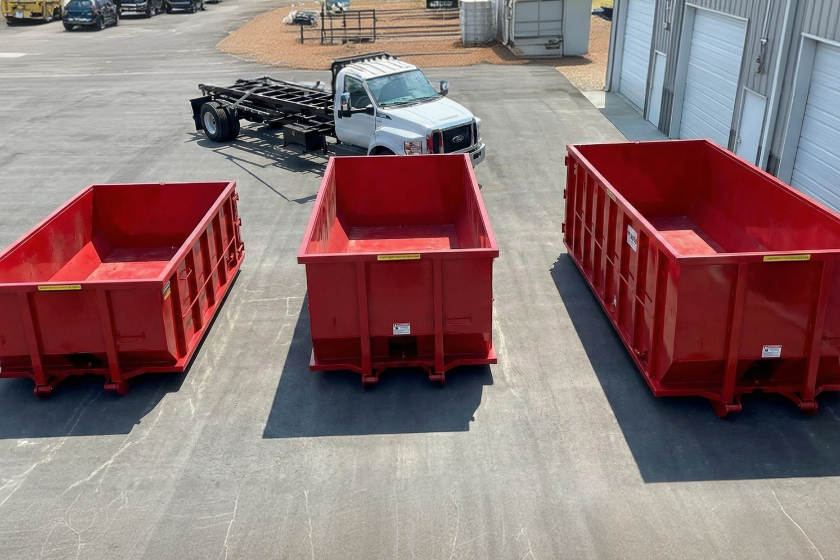
Managing bulk waste works best when the system matches the scale of your operation. Rocket Waste provides roll-off dumpster rentals and waste management services built for industrial, commercial, and construction projects across North Alabama. Our focus stays on large, open-top roll-off containers, dependable hauling, and clear service plans that support organized job sites and facilities.
From construction debris and industrial waste to material-specific recycling setups, we help clients keep waste moving without guesswork or hidden costs. If you are looking for a straightforward, locally driven approach to waste management that fits how work actually gets done, contact us today and we’ll help you build a solution that works from day one.