Cardboard shows up everywhere. From shipping boxes and product packaging to bulk deliveries and storage materials, it moves through businesses at a constant pace. For many facilities, cardboard piles up quickly and quietly becomes a logistical headache. Loose boxes take up space, require frequent hauling, and often end up treated as simple trash.
Baling cardboard changes that story entirely. Instead of viewing cardboard as waste, businesses can turn it into a manageable, recyclable commodity. The process supports cardboard sustainability while opening the door to cost savings and new revenue opportunities.
The Problem with Cardboard
Most commercial and industrial sites underestimate how much cardboard they generate. Warehouses, retailers, manufacturers, apartment communities, and distribution centers all deal with steady cardboard volume and that adds up.
When cardboard is left loose, several problems ensue.
- Dumpsters fill faster than expected.
- Storage areas become cluttered.
- Haul-off frequency increases, as do disposal costs.
- Cardboard that could be recycled often gets mixed with general waste and sent to landfills.
Loose cardboard works against cardboard sustainability goals and drains operational budgets. The issue is not the material itself; rather, it’s how cardboard gets handled.
What Cardboard Baling Actually Does
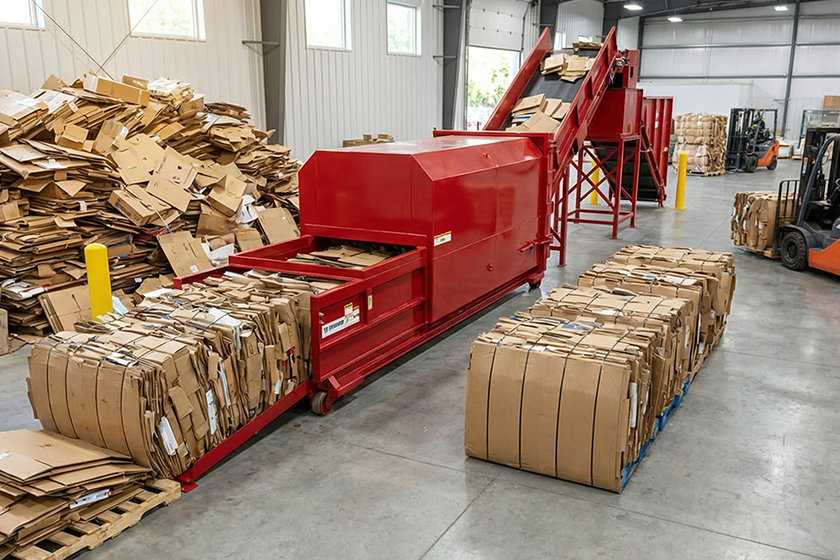
A cardboard baler compresses loose boxes into dense, uniform bales. Flattened cardboard is fed into the baler, compacted under pressure, and tied into manageable blocks.
These bales take up far less space than loose cardboard. They are easier to store, transport, and recycle. More importantly, they transform cardboard from a bulky nuisance into a recyclable product that has market value.
Instead of paying to throw cardboard away, businesses can prepare it for recycling streams that reward clean, compact material.
Cardboard Sustainability Starts with Volume Reduction
One of the biggest sustainability gains from baling cardboard comes from volume reduction. Loose cardboard traps air and wastes space. Compacting it reduces the number of loads needed to move the same amount of material.
Fewer loads mean fewer trucks on the road. This leads to lower fuel use and reduced emissions tied to transportation. Over time, this reduction supports broader environmental goals without requiring major operational changes.
Cardboard sustainability is not only about recycling. It is also about using resources more efficiently across the entire waste process.
Cleaner Recycling Streams Make a Difference
Recycling facilities value clean, source-separated material. Cardboard that is free from contamination is easier to process and retains higher value.
Baling encourages better sorting habits on-site. When cardboard has a dedicated place and purpose, it is less likely to get mixed with food waste, plastic, or other debris. Cleaner bales support smoother recycling operations and reduce material loss during processing.
This cleaner stream strengthens the recycling loop and reinforces sustainability efforts from start to finish.
Turning Waste into a Revenue Stream
Recyclers pay for baled cardboard based on market conditions, quality, and volume. While prices fluctuate, consistent baling can create a steady offset to waste disposal costs. For high-volume generators, this can add up over time. What was once an expense becomes a partial income stream.
This shift changes how businesses think about waste. Cardboard stops being a liability and starts functioning as a resource.
Lower Disposal Costs Add Up
Even without direct recycling revenue, baling cardboard reduces disposal expenses. Compact bales take up far less space than loose boxes, which means the commercial dumpster rental fills more slowly.
Fewer haul-offs translate into lower transportation and tipping costs. Predictable pickup schedules replace panicked, reactive service calls. Over time, these savings support more stable budgeting and smoother operations. For facilities managing large volumes, the cost difference can be substantial.
Space Efficiency Improves Operations
Loose cardboard spreads quickly. It clogs loading docks, back rooms, and storage areas. This clutter creates inefficiencies and safety concerns for staff moving through the space.
Baled cardboard stacks neatly and occupies a smaller footprint. This means:
- Dedicated storage areas stay organized.
- Walkways remain clear.
- Equipment and workflows function more smoothly.
This improved organization has ripple effects. Employees spend less time managing waste and more time focusing on productive tasks.
Supporting Corporate Sustainability Goals
Many organizations have sustainability targets tied to waste reduction and recycling rates. Baling cardboard supports these goals in a measurable way.
Tracking bale counts and weights provides clear data on recycling performance. This information can be used in sustainability reports, audits, and internal benchmarks. It shows tangible progress rather than vague commitments. Cardboard sustainability becomes something that can be measured, shared, and improved over time.
Safety Benefits of Baling Cardboard
Handling loose cardboard involves repeated lifting, bending, and stacking. Over time, this creates strain and increases the risk of workplace injuries.
Baling cardboard reduces manual handling. When the cardboard gets broken down once and fed into the baler rather than moved repeatedly, there are fewer loose piles. This results in fewer trip hazards and less clutter overall. Safer waste areas support a healthier work environment and reduce disruptions tied to injuries or accidents.
Industries That Benefit Most from Cardboard Baling
Cardboard baling works well across many sectors. Warehouses and distribution centers generate steady packaging waste. Retailers deal with frequent deliveries and seasonal volume spikes. Manufacturing facilities handle bulk packaging tied to raw materials.
Apartment communities and property managers also see value in baling cardboard from move-ins, move-outs, and deliveries. In each case, baling creates order where chaos often develops. The common factor is volume. Wherever cardboard flows steadily, baling delivers returns.
Pairing Balers with the Right Waste Strategy
Baling cardboard works best as part of a broader waste plan. Dedicated containers for general waste, recyclables, and baled material keep streams separated and efficient.
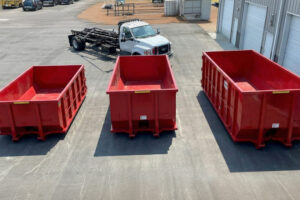
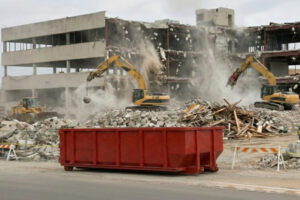
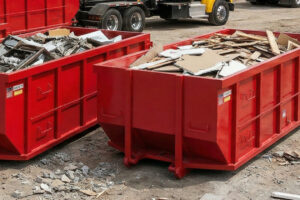
Facilities that pair balers with roll-off containers or compactor rentals gain flexibility. Cardboard stays out of landfills, general waste stays lighter, and recycling operations run cleaner. This integrated approach supports long-term cardboard sustainability without complicating daily routines.
Reliable Cardboard Waste Management for North Alabama Businesses
If cardboard is piling up at your facility, it may be time for a better system. At Rocket Waste Inc., we help North Alabama businesses manage cardboard and bulk waste with practical solutions like balers, roll-off containers, and dependable hauling services. Our team works with industrial, commercial, and multi-site operations across Huntsville, Decatur, Madison, and the surrounding areas.
We focus on clear pricing, responsive local support, and waste strategies that reduce clutter while supporting recycling goals. From ongoing cardboard removal to full-scale waste management planning, Rocket Waste brings a straightforward, hands-on approach that fits real operations.
Reach out today to request a free quote and see how we can simplify your cardboard and waste removal process.