Clearing out a space sounds simple enough until the work actually begins. Walls come down, floors get torn up, debris stacks faster than expected, and suddenly the question becomes bigger than cleanup. Many property owners and contractors find themselves choosing between demolition and junk removal services, assuming they overlap more than they really do.
While both involve removing material from a site, demolition and junk removal serve very different purposes. Demolition is built for structural change and bulk debris, while junk removal focuses on convenience and light hauling. Picking the right one can shape how smoothly your project progresses, how predictable your costs remain, and how organized your site feels from start to finish.
Understanding How Demolition Works
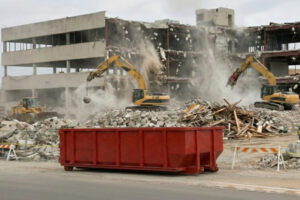
Demolition is not just about getting rid of things. It is about removing parts of a structure in a controlled and planned manner. This might involve tearing out interior walls during a renovation, breaking up concrete pads, or dismantling entire buildings.
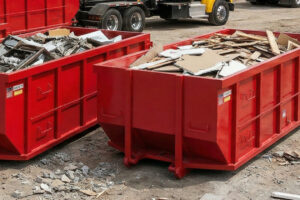
The defining trait of demolition is the type of material it creates. Drywall, lumber, concrete, brick, roofing, and metal add up quickly. These materials are heavy, dusty, and often generated continuously as work progresses.
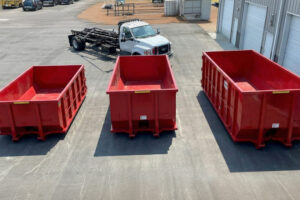
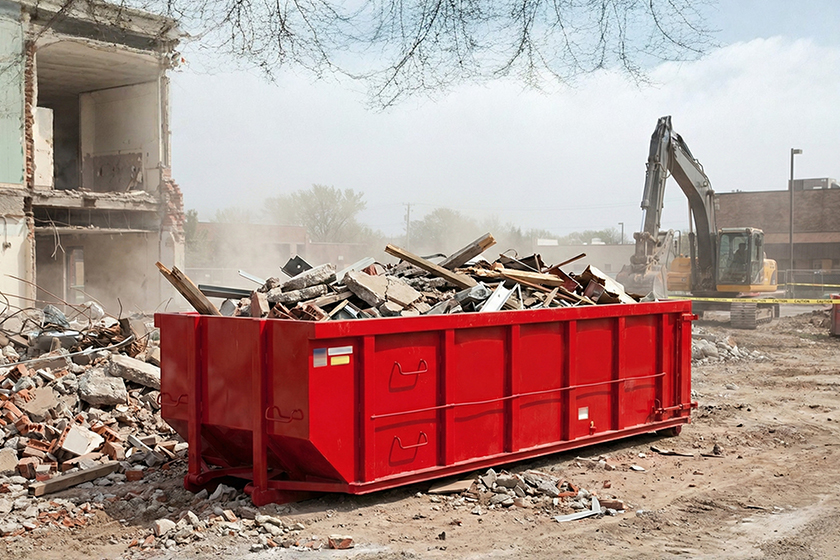
Because of this, demolition requires a waste plan from day one. Debris cannot pile up indefinitely on a job site. Large open-top roll-off containers allow crews to dispose of material as they work, keeping the area safer and more efficient.
What Junk Removal Is Designed For
Junk removal focuses on clearing unwanted items rather than altering a structure. The work is usually quick, labor-driven, and centered on convenience rather than long-term site logistics.
This service works well for situations like clearing out old furniture, removing office equipment, or cleaning up clutter after a move. Crews arrive with a truck, load items by hand, and haul everything away in one visit.
The materials involved tend to be lighter and less dense. Furniture, boxes, and small appliances take up space but do not create the same challenges as demolition debris. Junk removal shines when the job can be completed in a few hours without ongoing waste generation.
Scale Changes Everything for Demolition vs. Junk Removal
The most important difference between demolition and junk removal is scale. Demolition produces debris by the ton, not by the item.
A single interior strip-out can fill multiple large containers with drywall and wood. Concrete removal can generate loads that weigh several tons each. Junk removal trucks are not built for that kind of volume or density.
When small hauling services are used for demolition debris, projects often slow down. Trucks fill quickly, crews wait for removal, and costs climb as trips multiply. Roll-off containers solve this issue by staying on-site until full, then being swapped out without interrupting work.
How Project Timelines Differ Between Demolition and Junk Removal
Demolition projects tend to unfold over time. Waste disposal needs to keep pace with ongoing work, sometimes over several days or weeks. Containers are filled, hauled away, and replaced as the project moves forward.
Junk removal typically follows a one-visit model. Once the items are gone, the job is finished. There is no ongoing disposal plan because there is no continuing debris.
For contractors and facility managers, this distinction matters quite a bit. Demolition planning includes waste flow as part of the overall schedule, whereas junk removal is typically implemented after everything else is done.
Materials Tell You Which Service Fits Best
Looking at what you are removing often points to the right choice between demolition and junk removal.
Demolition debris usually includes structural materials like drywall, framing lumber, concrete, and roofing. These materials demand heavy-duty dumpster and proper hauling to landfills or recycling facilities.
On the other hand, junk removal deals with loose items such as furniture, shelving, and boxed clutter. These can be loaded by hand and hauled away without specialized equipment.
If your project involves dust, rubble, or tear-out work, demolition-focused waste handling is likely the better match.
Safety and Site Organization
Active demolition sites come with safety concerns. Loose debris creates trip hazards and limits space for crews and equipment. Having a designated container on-site gives workers a clear place to dispose of material, helping keep walkways open and work areas more organized.
Conversely, junk removal does not typically operate in active construction environments. It tends to be performed in finished spaces where safety risks are minimal.
Commercial and municipal projects may also require waste handling plans that align with site rules and local expectations. Roll-off containers support these needs by offering predictable placement, clear pickup schedules, and documented disposal routes.
The Role of Roll-Off Containers in Demolition
Roll-off containers are built for construction and demolition environments. Their size and open-top design allow for quick disposal of bulky and heavy materials. They also support on-site sorting when projects call for separate material streams.
Containers can be designated for general debris, scrap metal, wood waste, or concrete. Once full, containers are swapped out and hauled to processing facilities. This system allows demolition work to continue without constant coordination or downtime. It also supports recycling efforts when materials are kept separated from the start.
When Residential Projects Get Bigger
Some residential jobs blur the line between demolition and junk removal. Major renovations, full home cleanouts tied to remodeling, or large property overhauls can generate both clutter and construction debris.
In these cases, residential roll-off dumpster rental still provides a better solution. They allow waste to be managed over time instead of forcing everything into a single day of hauling. Homeowners and contractors can work at a steady pace without worrying about immediate removal.
Projects like whole-home remodels, garage rebuilds, and major landscaping tear-outs often benefit from this approach. The deciding factor remains volume and duration rather than the type of property.
Comparing Cost Structures Between Demolitions and Junk Removals
Junk removal pricing is typically based on truck space and labor time. As more items are loaded, the cost rises. Multiple trips mean multiple charges.
Demolition waste handling through roll-off containers follows a clearer structure. Pricing is tied to container size, rental period, and material type. This predictability helps contractors and property managers plan their budgets without surprises.
For larger jobs, container-based disposal often results in better cost control. Instead of paying for repeated hauling trips, you pay for the capacity you actually use.
Making the Right Choice
Choosing between demolition and junk removal comes down to a few practical considerations.
Choose demolition if…
- If you are removing structures, generating debris over several days, or dealing with heavy materials, demolition-focused waste solutions are the right fit.
Choose junk removal if…
- Junk removal works best when the job is small, quick, and limited to loose items. This is primarily about convenience, not ongoing waste management.
Understanding these differences helps avoid delays, unexpected costs, and logistical headaches once work is underway.
Ready to Simplify Demolition Waste Management in Alabama?
Demolition and junk removal may sound similar, but they solve very different problems. Demolition creates heavy, ongoing debris that requires a structured disposal plan. Junk removal is designed for quick cleanouts and light hauling.
When demolition debris starts piling up, having the right partner makes all the difference. At Rocket Waste Inc., we provide dependable roll-off container and construction waste solutions built for real-world job sites across Huntsville, Decatur, Madison, and nearby Alabama communities.
Our team specializes in large, open-top containers designed to handle heavy demolition debris, from concrete and drywall to lumber and metal.
We focus on clear communication, straightforward pricing, and prompt service, so you always know what to expect. No surprise fees. No runaround. Just reliable container delivery, timely swaps, and local support from a Huntsville-born company that understands your project demands.
If you are planning a demolition or major renovation, let Rocket Waste help keep your site organized and moving forward. Contact us today to get a free quote or schedule your roll-off container delivery.