Yard waste is often seen as a minor byproduct of outdoor work, but in large-scale operations, it adds up quickly. Knowing what to do with yard waste becomes a real concern once debris starts piling up across a job site. Land clearing, site prep, and landscaping projects can generate massive volumes of organic material, including brush, soil, tree limbs, and vegetation. Without a clear plan, this buildup can slow down operations and interfere with the end result.
Yard waste disposal in an industrial setting calls for an even more structured approach than in residential areas. The goal is not just removal, but doing it in a way that supports efficiency, cost control, and sustainability.
Understanding Yard Waste in Large-Scale Projects
Yard waste goes far beyond grass clippings or small branches. It often includes heavy, bulky materials that require proper handling and equipment.
Common types of yard waste generated on larger job sites include:
- Tree trunks, stumps, and large branches
- Brush and dense vegetation
- Soil and organic debris from excavation
- Wood waste from land clearing
These materials can quickly take over valuable workspace if not managed properly. Having a plan in place early helps maintain a clean and productive environment.
Use Roll-Off Containers for Bulk Yard Waste
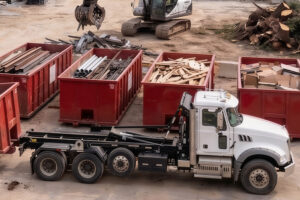
One of the most efficient ways to manage yard waste at scale is through a roll-off dumpster rental. Large, open-top containers allow crews to load debris continuously as work progresses.
Instead of creating scattered piles across the site, materials can be directed into a central location. This keeps pathways clear and reduces the time spent handling debris multiple times.
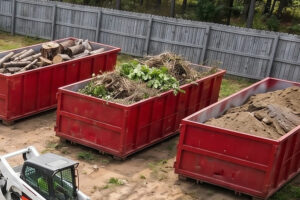
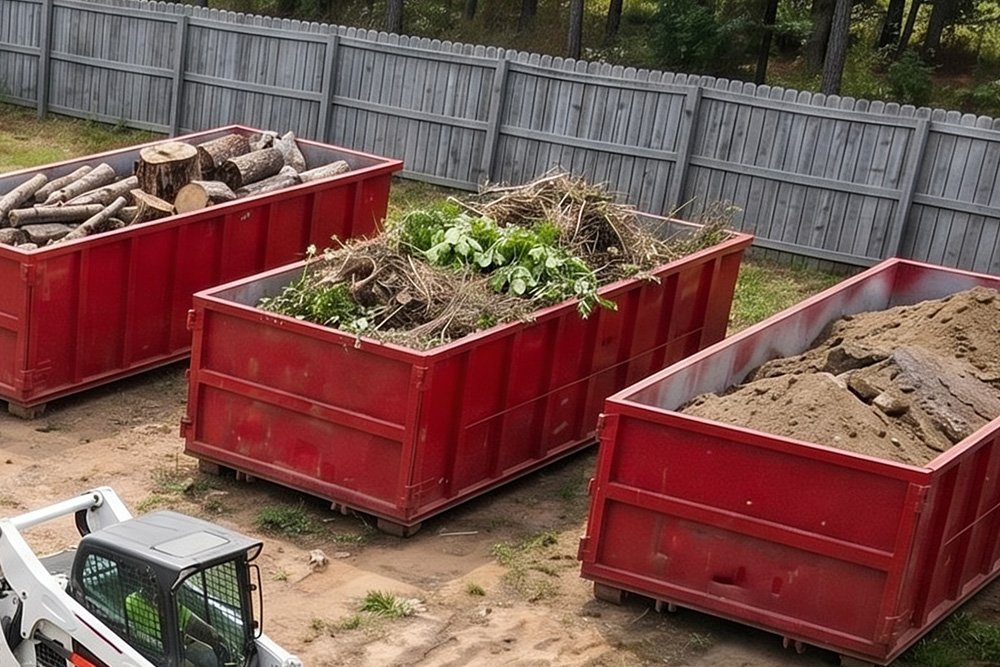
For projects generating different types of organic waste, using separate roll-off containers is crucial. For example, keeping wood and vegetation separate from soil allows for efficient disposal and recycling. Instead of just removing the yard waste, it can be sustainably repurposed.
Having separate containers also prevents one from filling up too quickly. Once containers are full, they can be swapped out quickly, keeping operations moving without downtime.
Separate Yard Waste for Better Outcomes
Sorting yard waste on-site is one of the most effective ways to improve efficiency and reduce disposal costs. When materials are mixed together, processing becomes complicated and often more expensive. In many cases, it also renders much of the waste useless when it might otherwise be eligible for recycling.
Separating materials at the source allows each type of waste to be handled in the most appropriate way. Wood, for example, can often be repurposed or processed into mulch, while soil may be reused on-site or transported for other applications.
This approach furthers sustainability efforts, since clean material streams are easy to recycle or repurpose.
Turn Organic Waste into Reusable Material
Yard waste does not always need to leave the site as waste. In many cases, it can be transformed into useful material that supports the project or future work.
Large branches and wood debris can be chipped into mulch, which can then be reused for erosion control or landscaping. Organic material can also be processed into compost for soil improvement.
On industrial projects, this approach reduces hauling needs and cuts down on disposal volume. It also aligns with sustainability goals by keeping usable material in circulation instead of sending it to landfills.
Plan for Efficient Loading and Removal
Handling yard waste efficiently is not just about the container itself. It also depends on how materials are loaded and managed throughout the project.
Positioning containers in accessible areas helps crews dispose of debris without slowing down their workflow. Equipment like loaders or skid steers can be used to move large volumes quickly, reducing manual labor.
Keeping loading practices consistent across the site also prevents overfilling and uneven distribution, which can lead to delays during pickup.
Avoid Common Yard Waste Mistakes
Even well-managed projects can run into issues if yard waste is not handled correctly. A few common mistakes can lead to unnecessary costs or disruptions.
- Mixing heavy materials like soil with lighter vegetation, which can exceed weight limits
- Overloading containers, making transport more difficult
- Letting debris accumulate in multiple areas instead of centralizing disposal
- Failing to plan for container swaps during peak activity
Avoiding these issues starts with clear communication and a simple system that everyone on-site can follow.
Sustainable Yard Waste Disposal Practices for Industrial Projects
As our world changes, sustainability has become a priority across all industries. Proper yard waste management is one of the most direct ways to promote sustainability efforts and preserve resources.
Working with a waste removal service that supports recycling and responsible disposal can help reduce environmental impact. Clean loads of wood, brush, or soil are more likely to be directed toward reuse or processing rather than ending up in landfills.
Fast Yard Waste Removal with Roll-Off Dumpster Rental Services in Alabama
Handling large volumes of yard waste is easier with the right support. Based in Huntsville and serving Decatur, Madison, and surrounding North Alabama areas, Rocket Waste specializes in roll-off dumpster rentals for bulk material like brush, wood, and organic debris. We provide dependable container delivery, fast swap-outs, and straightforward pricing with no hidden fees.
You load and sort materials on-site, and we handle the haul to the proper facility. With a focus on responsive service and sustainable waste solutions, we help keep your project moving without unnecessary delays. Contact us today.