Waste management touches nearly every industry, from construction and manufacturing to property management and large-scale cleanups. Many people have questions about how waste management works, what options are available, and how to handle different types of waste effectively.
This guide answers some of the most frequently asked waste management questions, covering everything from disposal methods to sustainability practices. Whether you’re managing a job site or planning a large project, having a clear understanding of waste management can make the entire process more efficient.
At Rocket Waste, we provide dependable roll-off dumpster rental and bulk waste solutions in Alabama for construction, industrial, and large-scale projects. Whatever your project, we have the solution for you.
What Is Waste Management?
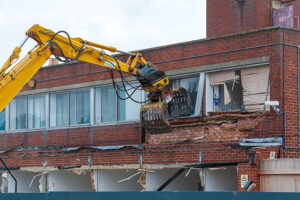
Waste management refers to the collection, handling, transportation, and disposal of materials that are no longer needed. In industrial, construction, and commercial settings, this often involves large volumes of debris generated from demolition, renovations, land clearing, or daily operations.
Unlike household trash collection, this type of waste management focuses on bulk materials. It requires structured systems, equipment, and planning to handle debris efficiently without disrupting workflow.
Why Is Waste Management Important?
Effective waste management keeps work environments organized and safe. When debris is left unmanaged, it can block access points, slow down productivity, and create unnecessary hazards.
Beyond day-to-day operations, it also plays a role in cost control. Poor waste handling can lead to extra labor, delays, and additional hauling needs. A well-planned system helps avoid those issues and keeps projects moving forward.
Then there’s the growing focus on sustainability. Managing waste responsibly can reduce landfill use and support recycling efforts, which benefits both businesses and the environment both now and in the future.
What Are the Different Types of Waste?
Understanding the types of waste is the first step toward handling it properly. In most large-scale settings, waste falls into a few main categories.
- Construction and demolition debris such as concrete, drywall, wood, and roofing materials
- Industrial waste including packaging, scrap materials, and production byproducts
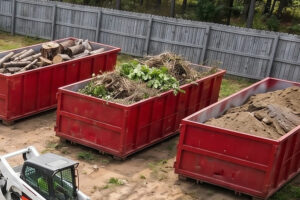
- Organic waste like vegetation, soil, and yard debris from land clearing
- Recyclable materials such as metal, cardboard, and certain plastics
Each category may require a slightly different approach, especially when it comes to sorting and disposal.
What Are Roll-Off Dumpsters?
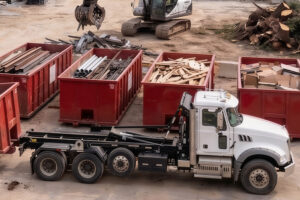
Roll-off dumpsters are commonly used in construction and industrial waste management. These large, open-top containers are delivered to a site and used to collect debris as work progresses.
They are designed for bulk material, making them ideal for projects that generate high volumes of waste. Once full, they are hauled away and replaced if needed, allowing work to continue without downtime.
This system reduces the need for multiple trips to disposal facilities and helps keep the site organized throughout the project.
How Do You Choose the Right Dumpster Size?
Selecting the right dumpster size depends on the scale of your project and the type of materials being generated. Small projects may just require compact containers, while large jobs benefit from high-capacity options.
When thinking about what size dumpster you need, consider how quickly you anticipate debris accumulating. For waste that builds up rapidly, having a large container or multiple containers can prevent delays.
Planning ahead also helps avoid situations where a container fills up too quickly, which can interrupt workflow and require additional pickups.
What Materials Can Be Recycled?
Recycling is an important part of modern waste management. Many materials commonly found on construction and industrial sites can be processed and reused.
Some of the most commonly recycled materials include:
- Metal, which can be melted down and reused in manufacturing
- Clean wood, which can be processed into mulch or other products
- Concrete, which can be crushed and used as aggregate
- Cardboard and packaging materials
Sorting these materials on-site makes recycling efficient and increases the chances that they will be reused instead of discarded.
Do You Need to Separate Waste on Site?
When materials are sorted at the source, it becomes easier to handle them appropriately later on.
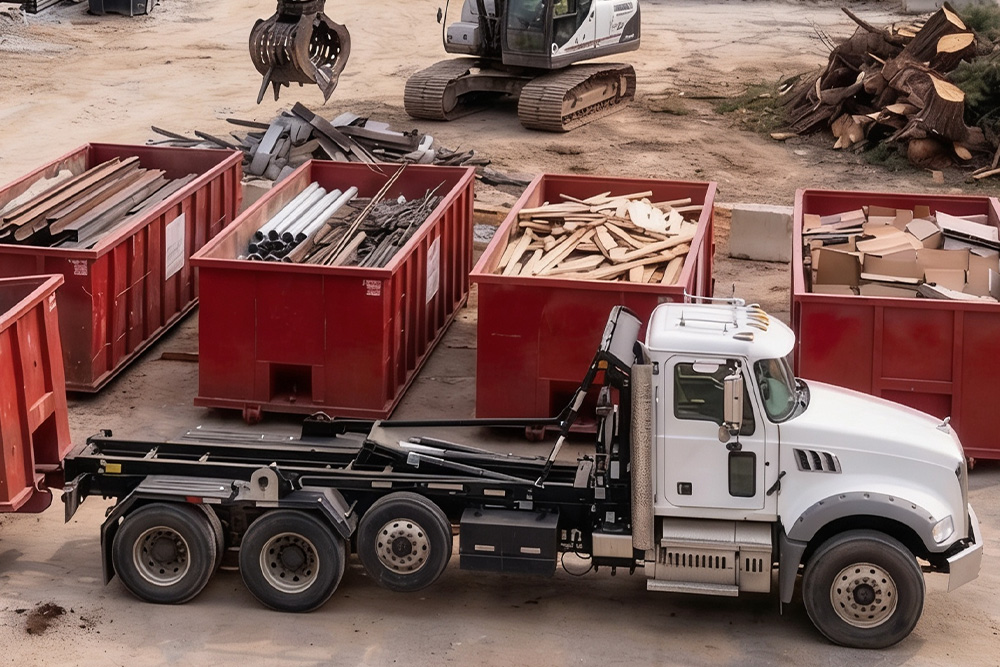
For example, keeping metal separate from general debris allows it to be properly recycled and repurposed rather than wasted. The same applies to clean wood or concrete.
This approach also helps manage weight limits and can reduce disposal costs, especially for projects that generate consistent streams of similar materials.
What Happens to Waste After It Is Collected?
Once waste is removed from a site, it is taken to a facility that processes or disposes of the material. The destination depends on the type of waste.
Recyclable materials are sent to processing centers where they are prepared for reuse. Non-recyclable debris is typically taken to landfills or other approved disposal sites.
The more organized the waste is when it leaves the site, the easier it is to direct it to the right type of facility. This is why sorting and proper handling during the project makes a significant difference.
How Can Waste Management Be More Sustainable?
Sustainability is a priority across many industries, and waste management is a huge component of that. Reducing landfill use and restrategizing recycling efforts are two of the main initiatives.
Companies and consumers can support sustainability by:
- Separating recyclable materials
- Reusing materials when possible
- Reducing unnecessary waste generation
- Working with a waste removal service that supports responsible disposal practices
These steps help reduce environmental impact while also improving efficiency, making it easier for waste management companies to be more effective.
What Are Common Waste Management Challenges?
Even with a plan in place, waste management can present challenges. Some of the most common issues include underestimating the amount of debris, poor container placement, and inconsistent handling practices.
Another challenge is dealing with mixed materials. When everything is combined, it becomes hard to recycle or process efficiently.
Addressing these challenges starts with planning and communication. Clear systems and expectations help keep waste handling consistent across the entire project. If you’re unsure what type of dumpster rental to reserve or the size you might need based on the scope of your project, consider reaching out to a professional waste management service provider in Northern Alabama. Our team at Rocket Waste has extensive experience with all types of scenarios and can help advise on the right solutions for your needs.
How Can Waste Management Improve Efficiency?
A well-organized waste system supports productivity in several ways. When debris is handled consistently, workers spend less time moving materials and more time focusing on their tasks.
Clean and accessible work areas also reduce the risk of injuries, delays, and improve overall workflow. Reliable roll-off container rentals, combined with thoughtful planning, helps keep everything moving at a steady pace.
In many cases, the right setup can turn waste management from a challenge into a seamless part of the operation.
What Should You Look for in a Waste Management Provider?
Choosing the right provider can make a noticeable difference in how waste is handled. Reliability, clear communication, and transparent pricing are all important factors.
It is also helpful to work with a team that understands the demands of construction and industrial projects. Flexible service and quick response times can help keep your project on schedule, even when plans change.
A dependable partner allows you to focus on the work itself while knowing that waste handling is taken care of.
Trusted Waste Management & Dumpster Rental Services in Alabama
When waste starts piling up, having the right partner makes all the difference. Our team at Rocket Waste provides roll-off dumpster rental and waste management services in Alabama designed for construction, industrial, large-scale cleanup projects, and more. With dependable delivery, fast container swap-outs, and clear, no-surprise pricing, you get a system that works without slowing your crew down.
We focus on bulk material handling, including dedicated containers for metal, wood, and general debris so you can keep your site organized from start to finish. Based in Huntsville and serving Decatur, Madison, and surrounding North Alabama areas, we bring local, responsive service you can rely on. Contact us today.