Demolition is the starting point for many construction and redevelopment projects. Before anything new can be built, existing structures must be taken down in a safe, controlled, and well-executed manner. While it may seem like a straightforward process, demolition involves a range of methods, each designed for specific project goals and site conditions.
From small interior tear-outs to full structural removal, knowing the different types of demolition will help keep you on track no matter what type of job you’re working with.
On This Page
ToggleWhat Demolition Involves
Demolition is more than just breaking things down and throwing away waste. It is a coordinated process that requires planning, equipment, and a clear strategy for handling materials.
Each project starts with an assessment of the structure, the surrounding environment, and a timeline. Materials used in the building, access points, and nearby structures also influence the demolition method that will be used.
Once you know how things will be broken down, you also have to determine where they’ll go. A reliable waste management company in Alabama will set you up with a proper system in place. This is where solutions like roll-off dumpster rental and structured debris removal come into play, helping keep the site organized from the start.
Selective Demolition
Selective demolition focuses on removing specific sections of a structure while leaving the rest intact. This approach is often used in residential renovation projects where only certain components need to be replaced.
Instead of tearing down an entire building, crews carefully remove walls, ceilings, flooring, or mechanical systems. This type of work requires attention to detail, especially when certain structural elements must remain untouched.
One of the advantages of selective demolition is the ability to separate materials as they are removed. Wood, metal, and other components can be sorted directly into designated containers, making disposal more efficient and supporting recycling efforts.
Interior Demolition
Interior demolition is similar to selective demolition but more focused on clearing out the inside of a building. The outer structure remains in place while the interior is stripped down to prepare for new construction or redesign.
This method is common in commercial upgrades and large-scale remodels. Crews remove non-structural elements such as drywall, fixtures, partitions, and finishes.
Since most of the work happens inside, debris handling becomes a logistical task. Materials need to be moved from interior spaces to designated disposal areas quickly and safely. Having a reliable system for construction debris removal helps maintain workflow and prevents buildup that could slow down the project.
Structural Demolition
Structural demolition involves taking down an entire building or major structural components. This is the most recognizable form of demolition and often involves heavy equipment and large crews.
Machines such as excavators and bulldozers are used to break down concrete, steel, and framing systems. The process is carried out in a controlled manner to maintain safety and manage debris effectively.
Because of the volume of material generated, planning for waste handling is just as important as the demolition itself. Using large, open-top containers allows crews to load debris continuously, reducing downtime and keeping the site clear.
Deconstruction
Deconstruction takes a more methodical approach. Instead of quickly tearing down a structure, materials are removed piece by piece with the goal of preserving them for reuse.
This method is often used when there is value in salvaging building components such as doors, fixtures, or lumber. While it takes more time, deconstruction can reduce waste and provide opportunities to reuse materials in other projects.
Deconstruction also supports more organized debris handling. Materials can be sorted as they are removed, making it easy to direct them toward recycling or repurposing instead of disposal.
Mechanical Demolition
Mechanical demolition is one of the most common methods used at construction sites. It relies on heavy equipment to dismantle structures quickly and efficiently.
Excavators with specialized attachments can break apart concrete, cut through metal, and handle large structural components. This approach is widely used for both residential and commercial projects.
People use mechanical demolition for projects where debris gets generated quickly. Having a dependable dumpster rental service in place allows crews to keep up with the volume, reducing the need for repeated handling and keeping operations moving smoothly.
Implosion Demolition
Implosion is a specialized demolition method used for large buildings, particularly in dense urban environments. It involves placing explosives at key structural points so the building collapses inward.
This method requires careful planning and precise execution. It is typically chosen when other demolition approaches are less practical due to height or surrounding structures.
After the structure is brought down, the focus shifts to debris removal. Each step must be methodical and strategically planned out for individual and environmental safety.
High-reach Arm Demolition
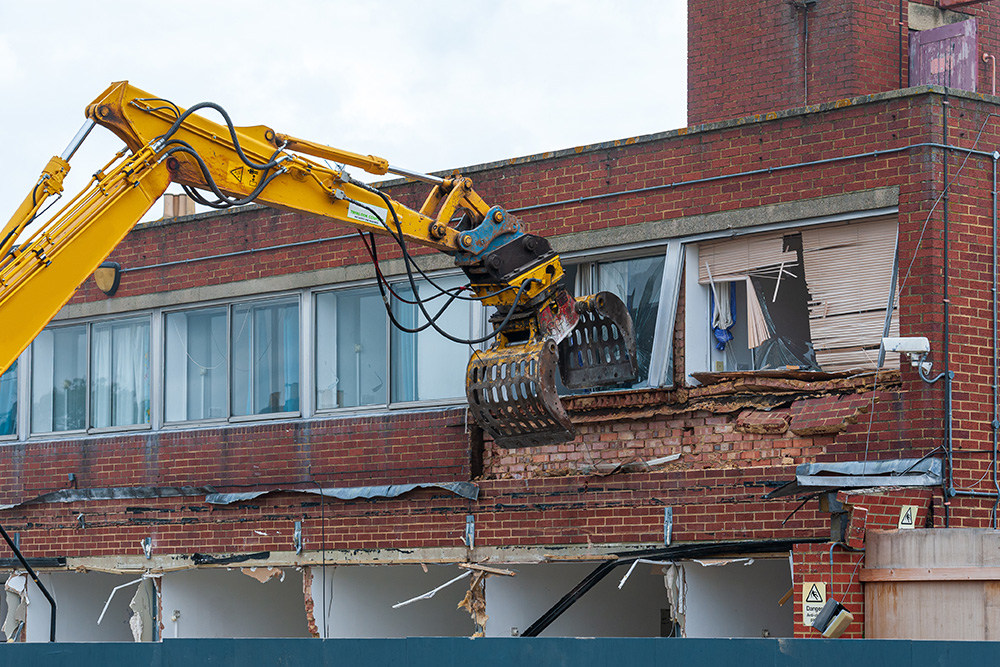
High-reach arm demolition is used for tall buildings that cannot be safely handled with standard equipment. Excavators equipped with extended arms allow crews to dismantle structures from the top down.
This method offers greater control and is often used in areas where nearby buildings need to be protected. By working from the top down, crews can manage how materials fall and accumulate on-site.
It also allows for better organization of debris. Materials can be separated more easily during the process, which supports recycling and simplifies disposal.
Environmental and Safety Considerations
Safety is a central part of every demolition project. Before work begins, structures are inspected for materials that require special handling, such as asbestos or lead-based components.
During demolition, controlling dust, debris, and site conditions helps protect workers and surrounding areas. A clean and organized site reduces risks and improves overall efficiency.
Sustainability is also becoming a larger focus. Many projects aim to reduce landfill use by separating materials and directing them toward recycling or reuse. This approach not only supports environmental goals but can also improve cost efficiency over time.
The Role of Waste Management in Demolition
Waste management is closely intertwined with every stage of demolition. It’s not enough to just take down a structure; you also have to know what to do with the materials during and afterwards.
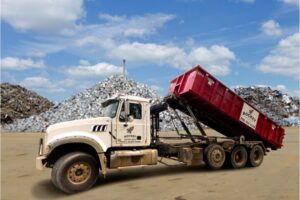
Roll-off containers provide a practical way to handle large volumes of material. Their open design allows for easy loading, and scheduled pickups help maintain a steady workflow.
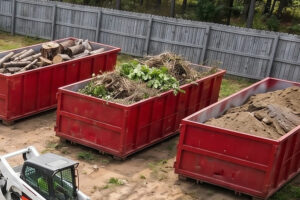
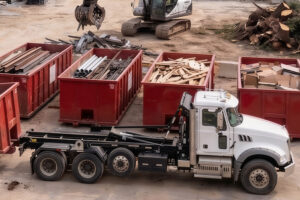
Separating materials on-site further improves efficiency. Instead of mixing everything together, crews can direct different types of debris into specific containers. This makes disposal straightforward and supports recycling efforts.
Working with a trusted waste removal service is key. Consistent service, clear pricing, and responsive support make it easy to manage debris without unnecessary complications. A high-quality, local waste removal company will also be able to provide guidance on the types of products (i.e. dumpster rentals in Alabama) you need based on the scope of your project and the materials involved.
Affordable Dumpster Rental Services in Alabama for Construction and Demolition Waste
Demolition work generates heavy, fast-moving debris, and having the right support makes all the difference. At Rocket Waste, our team specializes in roll-off container services built for construction and demolition projects in Huntsville, Decatur, Madison, and surrounding North Alabama areas. We give you a dependable way to manage bulk material on-site. With a range of open-top dumpster sizes, prompt delivery, and quick container swap-outs, you can keep work areas clear without slowing down your crew.
We give you straightforward pricing with no hidden fees so you know exactly what to expect. Get responsive, local service you can count on from start to finish when you contact us today.