Sustainable waste management is often discussed as if it exists separate from day-to-day operations, floating in strategy documents and environmental pledges. In reality, it’s integrated into normal, everyday practices. Sustainability shows up in the way debris is tossed aside during a teardown, in how scrap accumulates on a factory floor, and in the quiet decisions people make when they need to get rid of material quickly and keep work moving.
For industries that deal with bulk waste, sustainability is not a concept to admire from a distance. It’s a crucial component of workflow. Waste moves fast, space fills up quickly, and hesitation leads to disorder. Understanding sustainable waste management begins with understanding how waste behaves as it relates to scale, time, and pressure.
On This Page
ToggleAt Rocket Waste, we provide roll-off dumpster rentals in Alabama and focus on sustainable waste solutions for handling bulk materials on industrial, commercial, and construction sites.
Where Sustainability Actually Begins
Waste management becomes sustainable or unsustainable at the exact moment material is discarded. Once waste is mixed, crushed, or buried under other debris, the opportunity to guide its outcome shrinks. What happens next is largely determined by what happened first.
In large-scale environments, waste rarely arrives in neat categories. A single day can produce metal offcuts, broken concrete, wood framing, packaging, and general debris all at once. Without a system in place, these materials get randomly mixed together. It seems convenient at first, but that “convenience” turns into chaos with consequences once the waste leaves the site.
Sustainable waste management starts with intentionality. It asks how materials can be handled in a way that makes sense for the pace of work while still respecting where those materials will end up. When intention is baked into the process, sustainability stops feeling like an extra responsibility and starts feeling like common sense.
Why Bulk Waste Changes Everything
Bulk waste forces a different way of thinking. It accumulates faster, weighs more, and requires action sooner than household trash ever could. A renovation project can generate massive volumes of debris in a short span of time, and a manufacturing operation may produce steady waste every single day without pause.
This scale leaves little room for guesswork. When waste handling lacks structure, materials pile up in the wrong places, containers overflow unexpectedly, and recycling becomes an afterthought rather than an outcome.
Sustainable waste management systems respond to this reality by removing ambiguity. They rely on clear paths instead of flexible interpretations. At this level, sustainability is not driven by reminders or rules. It is driven by design.
Source Separation as a Natural Habit
Source separation sounds technical, but in practice it is remarkably straightforward. It simply means that materials are sorted at the point where they are thrown away, not later and not somewhere else.
What makes source separation effective is not complexity but timing. When materials are separated immediately, they stay cleaner and more usable. Metal remains free of debris, concrete stays uncontaminated, and wood can be repurposed. These early distinctions determine what can happen next.
On busy sites and active facilities, separation works best when it blends into routine. Containers are placed where materials naturally appear. Labels remain consistent, and expectations do not shift from one week to the next. When the system feels predictable and practical, people follow it without thinking about it.
How Roll-Off Containers Shape the Flow of Waste
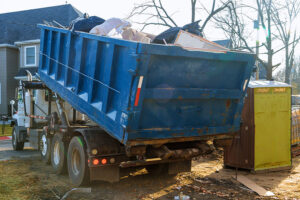
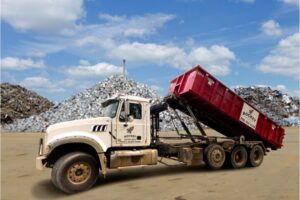
Roll-off container rentals bring structure to environments where chaos can otherwise quickly unfold. Their size accommodates the reality of bulk waste, while their presence creates boundaries that guide behavior.
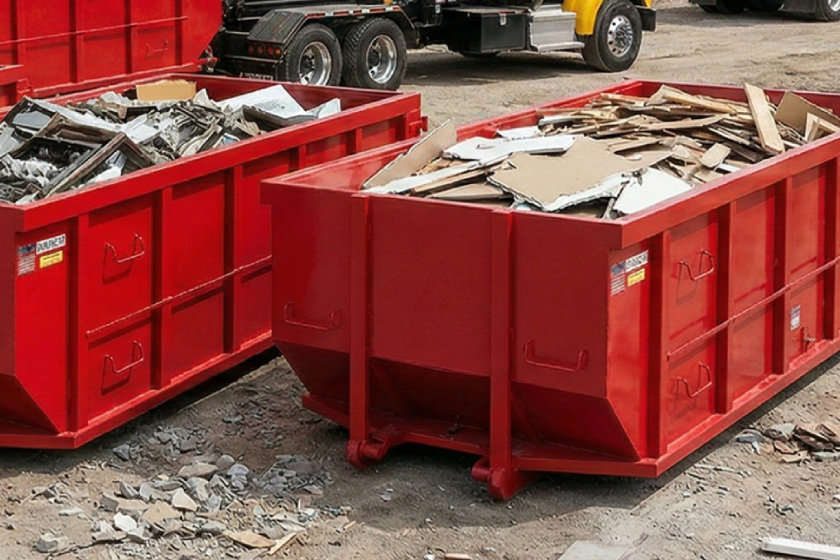
In a sustainable waste management setup, roll-off containers are not treated as generic holding areas. Each container has a clear purpose tied to a specific material stream. This clarity removes hesitation. Workers do not stop to decide where waste belongs because the system already answers that question.
As containers fill and are exchanged, waste continues moving without interruption. Materials do not linger and work areas stay clearer. Sustainability reveals itself through momentum rather than messaging.
The Quiet Importance of Clean Materials
Recycling succeeds or fails based on condition. Materials that remain clean and separated retain value and flexibility, while materials that are mixed lose both.
Metal recycling is a great example of this. When metal is collected on its own, it moves efficiently through processing and returns to use without loss. When it is tangled with other debris, that efficiency disappears and recovery becomes harder.
Concrete, wood, and cardboard recycling follow the same pattern. Clean concrete can be reused, dry cardboard remains workable, and untreated wood retains processing options. Sustainable waste management protects these materials long before hauling begins.
Construction Sites and the Pace of Change
Construction and demolition environments change constantly. Walls come down, new materials arrive, and waste appears in waves rather than streams. Sustainability in this setting depends on rhythm.
Early planning creates that rhythm. When waste streams are anticipated and containers are positioned with intention, crews fall into consistent habits. The system supports the work instead of interrupting it.
Poor setup leads to reactive decisions. Good setup allows waste handling to fade into the background, which is exactly what you want. When you’re not questioning production, that’s a sign of a job well done.
Industrial Facilities and the Value of Consistency
Industrial operations thrive on repetition. Processes repeat daily, sometimes hourly, and waste follows predictable patterns. Sustainable waste management in these environments benefits from stability rather than constant adjustment.
Containers remain in fixed locations, material streams stay defined, and instructions remain the same across shifts. This consistency limits confusion and reduces errors without requiring oversight.
Over time, these steady systems provide insight. Facilities gain a clearer understanding of what they generate and how often, which improves planning and reduces disruptions.
Transportation as Part of the System
What happens after waste leaves a site is just as important as what happens before. Transportation connects on-site decisions to final outcomes.
When materials are separated and directed properly, hauling becomes more efficient. Loads move directly to facilities equipped to handle them, avoiding unnecessary steps. Fewer transfers mean fewer delays and fewer losses along the way.
This part of sustainability often goes unnoticed, but it plays a meaningful role in the overall operations. Smooth logistics keep waste systems lean and reliable, which strengthens both environmental responsibility and operational flow.
The Link Between Sustainability and Clarity
There is a strong relationship between sustainable waste management and predictability. Mixed waste introduces uncertainty, while separated waste provides clarity.
When materials are handled deliberately, outcomes become easier to anticipate. Disposal patterns stabilize and planning improves. Businesses gain confidence in their waste systems because surprises become less common.
Sustainability does not demand more effort. It demands better structure.
Moving Past Common Assumptions
One of the most common assumptions in waste management is that sorting can happen later. For bulk waste, that assumption rarely holds up. Once materials are mixed, recovery options narrow quickly.
Another assumption is that sustainability requires constant reminders or strict enforcement. In reality, the strongest systems rely on design. When expectations are clear and the setup supports them, compliance follows naturally.
Sustainable waste management works best when it respects how people actually work and integrates into already-existing processes.
Sustainability as a Living Practice
The most effective waste systems are not introduced all at once. They evolve over time. Containers stay where they make sense. Labels remain familiar. Habits form naturally over time.
Waste handling becomes smoother as people become more familiar with the processes. Sites stay cleaner, facilities operate with fewer interruptions, and sustainability becomes part of the environment rather than a separate initiative.
Final Reflection
Understanding sustainable waste management requires a grounded view of scale, speed, and structure. Bulk waste demands systems built for volume and clarity. When materials are separated on-site, placed into dedicated containers, and directed to appropriate facilities, sustainability becomes practical and reliable.
It is not driven by slogans or complexity. It grows through intention, consistency, and thoughtful design. In the world of bulk waste, sustainability succeeds when it works reliably, without calling attention to itself.
Sustainable Waste Management FAQs
How does sustainable waste management work for bulk waste?
It focuses on sorting materials on-site, using dedicated containers, and hauling each waste stream to the right processing facility instead of mixing everything together.
Why is source separation important?
Separating materials where they are generated keeps waste cleaner, reduces contamination, and improves how materials are handled after pickup.
How do roll-off containers support sustainability?
Roll-off containers allow large volumes of material to be managed by type, making recycling and responsible disposal more practical on active sites.
Can sustainable waste management work on fast-moving job sites?
Yes. When waste systems match the pace and layout of the site, sustainability becomes part of the workflow rather than an added task.
Sustainable Waste Management Solutions in Alabama That Keep Your Site Moving
If your business, construction site, or facility is generating large volumes of material, having a practical waste plan makes all the difference. At Rocket Waste, we work with companies in Huntsville, Decatur, Madison, and the greater Alabama area to make large-scale waste handling straightforward and efficient.
Our approach focuses on large, open-top roll-off containers tailored to specific materials, honest pricing with no hidden charges, and service that respects your timeline and site flow.
From metal and wood to concrete and general debris, we help you keep materials moving in a way that matches how they are created, sorted, and ultimately processed. If you are ready to manage waste with less stress and more clarity, reach out to us today.