Sustainability is a hot button topic that’s on everyone’s mind, and for good reason. It’s no longer something companies talk about once a year in an annual report. Green business practices are now integral to how modern businesses operate day to day. From construction sites to manufacturing floors, organizations are looking for smarter ways to handle materials, reduce waste, and run cleaner operations.
The good news is that building a more sustainable business does not require dramatic changes overnight. Many improvements begin with practical steps that simply make worksites more organized and efficient.
On This Page
ToggleThese green business practices support environmental responsibility while also helping businesses run smoother operations. In many cases, they even lower costs.
At Rocket Waste, we help businesses move toward sustainability with dependable waste management solutions in Alabama. We’ll show you how to incorporate green business practices into your operations in ways that don’t disrupt operations; instead, they enhance them.
Start with a Waste Stream Review
Every business produces different types of waste but the fact of the matter is that every business does produce waste. A construction project may generate concrete, drywall, wood, and metal. A manufacturing facility might produce scrap metal, packaging materials, and industrial debris. Even retail businesses generate a lot of cardboard and paper recycling.
Taking time to review your waste stream can be surprisingly eye-opening. Many businesses discover that large portions of their waste are recyclable materials that could be handled differently.
Once you identify the most common materials being discarded, it becomes much easier to set up better waste management practices. Dedicated roll-off containers for specific materials can help keep everything organized while directing recyclable materials to the right processing facilities.
Oftentimes, sustainability begins with simply taking a closer look at what gets thrown away.
Separate Materials Where Waste Happens
One of the simplest ways to improve sustainability is to sort materials right where they are produced.
Instead of tossing everything into a single container, teams can separate materials into designated roll-off containers. Construction sites and industrial facilities often handle multiple waste streams at once, and separating those materials keeps things far more organized.
For example, many companies sort materials like:
- Scrap metal
- Concrete and masonry
- Wood waste
- General construction debris
When materials are sorted on-site, they can be transported directly to the facilities that process them. Metal goes to recycling yards, concrete can be processed for reuse, and wood waste can move through specialized recovery channels. Beyond the environmental benefits, separated materials also make jobsites cleaner and easier to manage.
Turn Scrap Materials Into Recycling Opportunities
Businesses generate valuable recyclable materials. Scrap metal is a great example. Manufacturing facilities, fabrication shops, and construction projects frequently produce metal offcuts that can be recycled instead of discarded.
The same goes for cardboard packaging, concrete debris, and wood materials produced during renovation projects. In facilities that handle large volumes of cardboard, cardboard baler rentals can help compress materials into compact bundles, making storage and transport far more efficient.
When companies set up dedicated dumpsters for these materials, recycling automatically becomes part of everyday operations. Not only does this reduce landfill waste, but it also supports a more responsible use of resources across the industry. A small change in how materials are collected can make a big difference in where they end up.
Plan Waste Handling Before a Project Begins
Construction and demolition projects tend to move quickly, and debris can pile up just as fast if waste handling is not planned early. That’s why the best experienced project managers think about waste logistics during the planning phase.
To implement green business practices into your operations, there are several questions worth asking:
- What types of debris will be generated?
- Where will containers be placed on-site?
- How will materials be separated during the project?
Answering these questions ahead of time helps prevent confusion once work begins.
Use Roll-Off Containers for Bulk Waste
Large projects produce large volumes of debris. Trying to manage that waste with small containers quickly becomes inefficient.
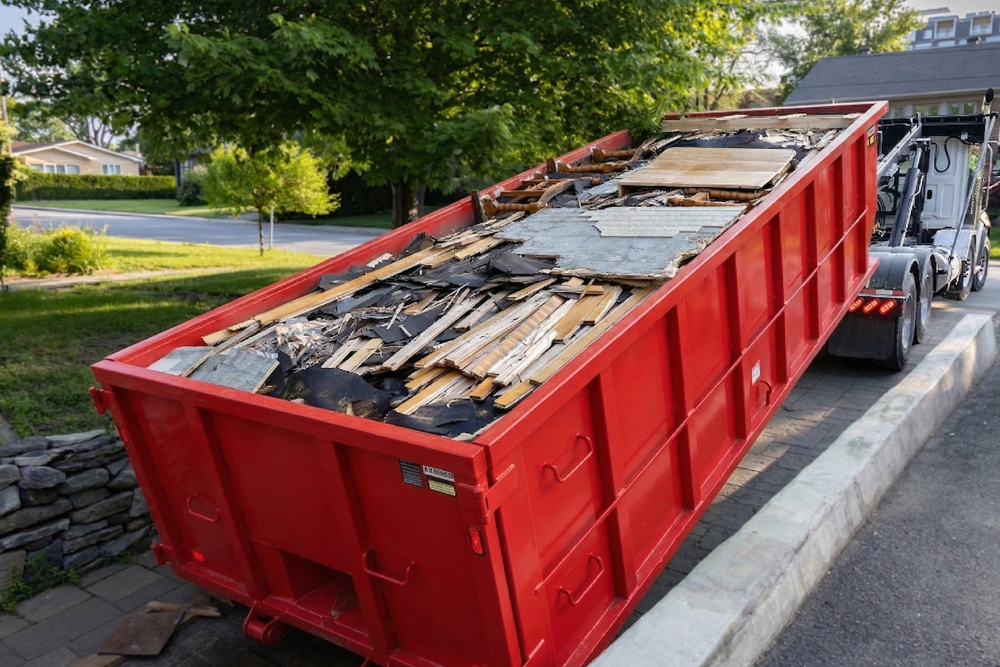
Roll-off containers provide an easy solution for collecting bulk materials in one organized location. Their open-top design allows crews to load debris easily, either by hand or with equipment.
Once the container is full, it can be swapped with an empty one so work continues without delay. Reliable dumpster rental services allow construction crews, industrial facilities, and property managers to keep materials contained and worksites tidy.
In facilities that generate steady streams of compactable waste, compactor rentals can also help reduce volume and limit the number of haul-away trips.
Reduce Waste Through Smarter Material Purchasing
The best way to implement green business practices into your company is to plan for sustainability ahead of time. In truth, sustainability starts before materials even reach the jobsite. For example, over-ordering materials can lead to unnecessary waste when projects wrap up. Leftover materials often end up being discarded simply because they were not used.
Better communication with suppliers and more precise planning can reduce this problem significantly. When companies purchase materials more accurately, they reduce excess inventory and limit the amount of unused material heading to disposal containers. Less wasted material means fewer disposal trips and a more efficient project overall.
Get Your Team Involved in Green Business Practices
Even the best waste management plan only works when the team on-site follows it. Employees and contractors play a huge role in keeping materials sorted correctly and maintaining organized work areas. A quick orientation or safety meeting can introduce crews to the waste management setup for a project.
Workers should understand which materials go into each container and why separation matters. When teams participate in keeping a site clean, the difference becomes obvious. Work areas stay safer, equipment moves more easily, and materials end up in the right places. Sustainable operations often grow out of shared responsibility across the entire crew.
Keep Waste Removal on a Reliable Schedule
Overflowing containers can turn an organized jobsite into a messy one very quickly. Regular container swaps help businesses stay ahead of growing debris piles. Instead of waiting until waste becomes a problem, scheduled pickups keep materials moving off-site consistently.
Reliable waste management services make a noticeable difference here. When containers are delivered and swapped on time, projects stay organized and work continues without unnecessary interruptions. Clean worksites also create a better impression for clients, inspectors, and visitors walking through the property.
Work with Local Waste Management Experts in Alabama
Every region has different recycling facilities, disposal options, and environmental regulations. Local waste management providers in Alabama understand these regional systems better. That knowledge can help businesses choose the right container sizes, plan waste logistics, and route materials to the proper facilities.
Local service also brings a more personal approach. Businesses can work directly with a responsive team that understands the needs of companies operating in the area. For many organizations, having a reliable local partner makes waste management far easier because of the trust factor.
Track Progress and Build Better Habits
Sustainability improves when companies pay attention to their progress. Tracking how much waste is generated during projects or across facilities can highlight patterns over time. Businesses may notice certain materials appear frequently in disposal containers, which can open opportunities for recycling or material reduction.
Small improvements add up. Over time, companies develop better habits that reduce waste while keeping operations organized and efficient. A cleaner facility, smarter waste management practices, and thoughtful material planning can transform how businesses approach sustainability.
Business Sustainability FAQs
What are some simple ways businesses can become more sustainable?
Start with practical changes. Separate recyclable materials, plan waste handling before projects begin, and use roll-off containers for bulk debris. Smarter material purchasing and better on-site organization also help reduce waste and keep operations cleaner.
Why is waste management important for sustainable business practices?
Waste management affects how materials are handled and where they end up. When businesses sort materials like metal, wood, or concrete, more of it can be recycled instead of sent to landfills. Organized waste systems also keep worksites cleaner and more efficient.
What types of businesses use roll-off container services?
Roll-off containers are commonly used by construction companies, demolition crews, manufacturing facilities, warehouses, and property managers. They are typically designed for projects that produce large volumes of debris or bulk materials.
Can roll-off containers be used for recycling materials?
Yes. Containers can be dedicated to specific materials like scrap metal, wood waste, or concrete. Businesses sort the materials on-site, and once the container is full it is transported to the appropriate recycling or processing facility.
How do roll-off containers help keep jobsites organized?
Roll-off containers give crews one central place to dispose of debris. Instead of waste piling up around a property, materials go directly into the container, keeping the site cleaner and easier to manage.
How often should waste containers be swapped out?
It depends on the amount of debris produced. Busy construction sites and industrial facilities often schedule regular container swaps so waste is removed before it slows down operations.
Sustainable Commercial Waste Management & Recycling Services in Alabama
Building a more sustainable operation often starts with better waste management. At Rocket Waste, we help businesses across Huntsville, Decatur, Madison, and the surrounding Alabama communities handle bulk debris with dependable waste removal services.
As a Huntsville-born company, we focus on straightforward service that businesses can rely on. Our team delivers and swaps containers quickly, keeps communication simple, and provides clear pricing with no hidden fees.
From construction debris and industrial waste to recyclable materials like scrap metal or concrete, our roll-off containers, balers, and compactors make it easier to keep your jobsite organized and running smoothly.
If your company is looking for a reliable partner to manage bulk waste responsibly, contact us today. Rocket Waste is ready to help keep your operation moving forward.